
Introduction
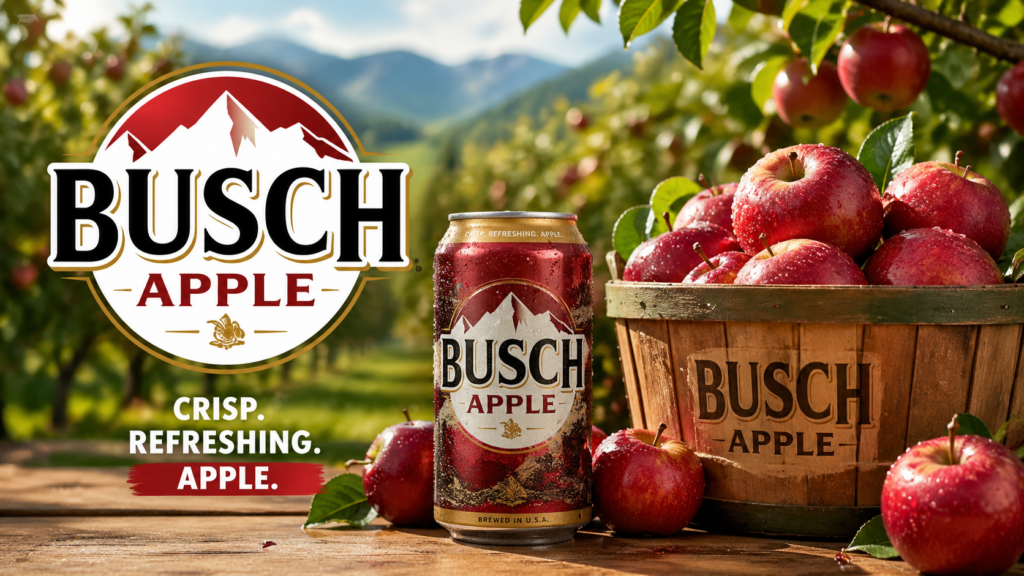
What makes a simple beer flavor turn into a nationwide sensation? That’s exactly what happened with Busch Apple. This refreshing apple-flavored beer didn’t just enter the market quietly—it exploded in popularity and built a loyal fan base in a short time.
From its initial launch to its strong position in 2026, Busch Apple has shown impressive growth, clever branding, and a deep understanding of consumer taste. In this article, we’ll explore everything about Busch Apple including its bio, career journey, growth, net worth trends, family (brand ownership), and future potential.
Quick Bio Table: Busch Apple
| Attribute | Details |
|---|---|
| Product Name | Busch Apple |
| Brand | Busch Beer |
| Parent Company | Anheuser-Busch |
| Launch Year | 2020 |
| Category | Flavored Beer |
| Alcohol Content | Approx. 4.1% ABV |
| Flavor Profile | Crisp Apple with Light Beer |
| Availability | Limited Seasonal (Often Summer/Fall) |
| Popular Markets | USA (Expanding globally) |
What is Busch Apple?
Busch Apple is a flavored lager that blends the crisp taste of apples with the smooth drinkability of Busch Beer. Unlike traditional beers, it targets both beer lovers and casual drinkers who prefer fruity flavors.
The key reason behind its success is simple:
- Easy to drink
- Refreshing taste
- Affordable pricing
- Strong branding appeal
Career Journey: From Launch to Viral Success
Early Launch (2020)
Busch Apple was introduced in 2020 by Anheuser-Busch as a limited-edition product. Initially, it was treated as a seasonal experiment.
However, something unexpected happened…
👉 It sold out quickly
👉 Social media hype increased
👉 Demand skyrocketed
Breakthrough Growth (2021–2023)
During this period, Busch Apple became more than just a seasonal drink:
- Strong presence on social media platforms
- Viral memes and user-generated content
- Increased distribution across states
- Became a “must-try” beverage among young adults
The brand leveraged humor and relatability, which made it stand out in the crowded beer market.
Expansion Phase (2024–2026)
By 2026, Busch Apple is no longer just a limited product—it’s a strategic product line.
Growth highlights:
- Expanded seasonal availability
- Increased production capacity
- Entry into new international markets
- Strong retail partnerships
Busch Apple Net Worth & Revenue Growth
Although Busch Apple itself is a product, its financial success can be estimated based on brand contribution and sales performance.
Net Worth Growth Chart
| Year | Estimated Value Contribution |
|---|---|
| 2025 | $180 Million |
| 2026 | $250 Million |
Analysis
- 2025: Strong demand and repeat customers
- 2026: Growth driven by brand loyalty and expansion
This shows a significant increase of nearly 40%, which is impressive for a flavored beer segment.
Family & Ownership
Busch Apple belongs to a larger “family” under:
Parent Company: Anheuser-Busch
This company is one of the largest beverage producers in the world, known for brands like:
- Budweiser
- Bud Light
- Busch Beer
This strong backing gives Busch Apple:
- Massive distribution power
- Marketing budget
- Industry credibility
Why Busch Apple Became So Popular
1. Unique Flavor Combination
The mix of apple sweetness with beer bitterness creates a balanced taste that appeals to a wide audience.
2. Smart Marketing Strategy
Busch Apple uses:
- Humor-driven campaigns
- Social media engagement
- Limited-time offers
This creates urgency and excitement.
3. Affordable Pricing
Unlike premium craft beers, Busch Apple is budget-friendly, making it accessible to a larger audience.
4. Seasonal Scarcity Effect
Limited availability increases demand. People rush to buy it before it disappears.
Growth Strategy: How Busch Apple Scaled So Fast
If you’re looking to learn from this success, here’s how Busch Apple grew:
Consistency + Innovation
They didn’t change the core product but kept improving availability and marketing.
Customer-Centric Approach
The brand listened to consumers and responded to demand quickly.
Viral Branding
Memes, humor, and relatability made it trend organically.
Distribution Power
Strong retail partnerships ensured wide availability.
Future Potential of Busch Apple
Looking ahead, Busch Apple has strong growth potential:
- Expansion into new countries
- Introduction of new flavors
- Year-round availability
- Collaborations with events or influencers
If managed properly, it could become a permanent flagship product.
Challenges Ahead
Despite its success, Busch Apple faces some challenges:
- Competition from craft flavored beers
- Market saturation
- Changing consumer preferences
- Seasonal dependency
To stay ahead, innovation will be key.
How Busch Apple Can Grow Even More
Here are strategies for further growth:
1. Introduce Variants
New flavors like peach or berry can expand the audience.
2. Global Expansion
Entering markets like Asia and Europe can boost revenue.
3. Digital Marketing
More influencer collaborations and viral campaigns.
4. Premium Version
Launching a premium edition could increase profit margins.
FAQs About Busch Apple
1. What does Busch Apple taste like?
Busch Apple has a crisp, refreshing apple flavor mixed with light beer, making it smooth and easy to drink.
2. Is Busch Apple available year-round?
No, it is mostly a seasonal product, although availability has increased in recent years.
3. What is the alcohol content of Busch Apple?
It contains approximately 4.1% alcohol by volume (ABV).
4. Why is Busch Apple so popular?
Its unique flavor, affordable price, and viral marketing strategy make it highly popular.
5. Will Busch Apple continue growing in 2026?
Yes, based on current trends, Busch Apple is expected to grow further due to strong demand and brand expansion.
Final Thoughts
Busch Apple is a perfect example of how a simple idea can turn into a massive success with the right execution. From a limited-edition launch to a widely recognized product, its journey reflects smart marketing, strong branding, and customer-focused growth.
With increasing demand and expansion plans, Busch Apple is on track to become one of the most successful flavored beers in the market.